NEWS
Read all the news related to the FurnSERVICE project.
- Details
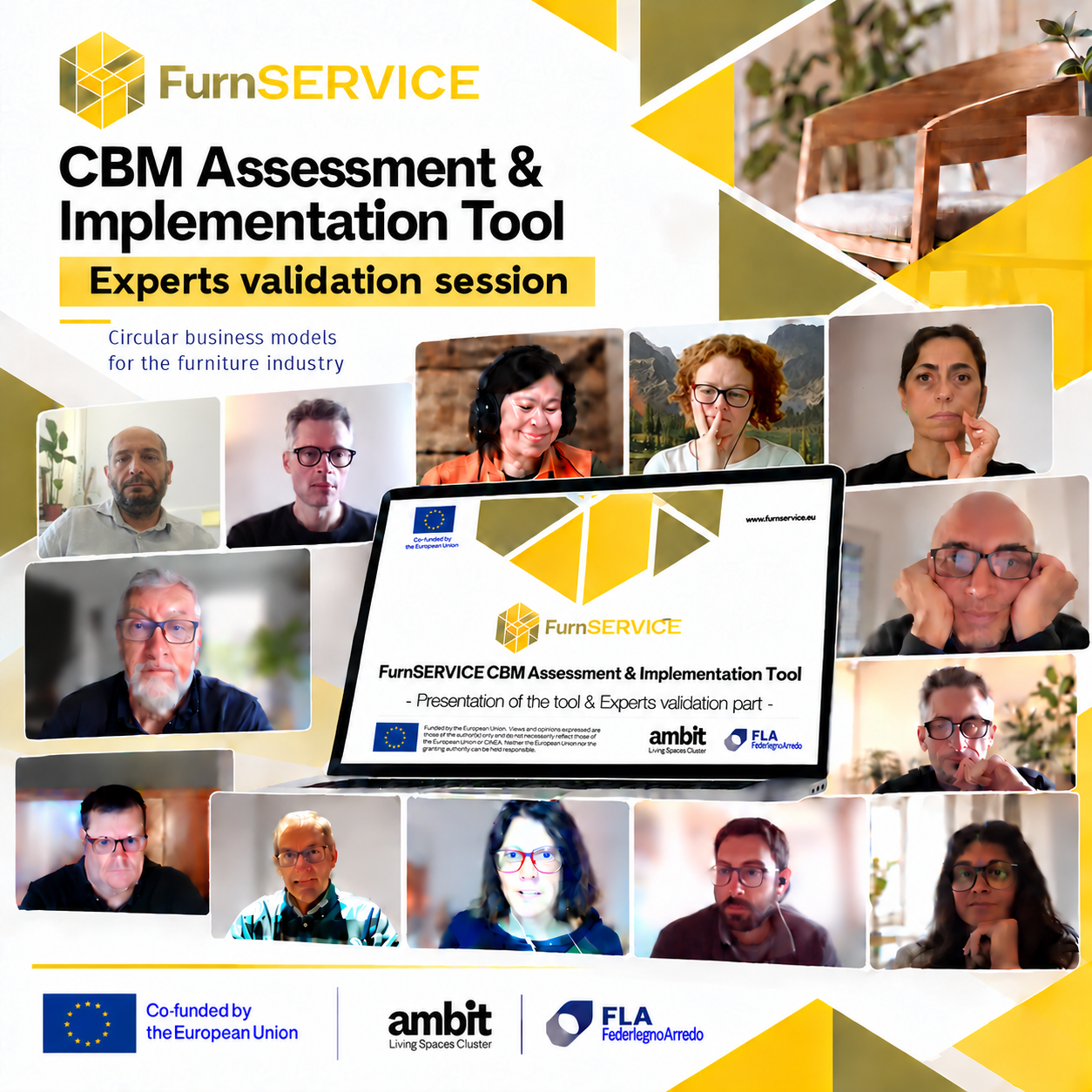
Bringing together different perspectives to develop practical tools for the circular transition of the European furniture industry!
On 9 October 2026, the FurnSERVICE project brought together 20 experts from different professional backgrounds – including economists, engineers, creative professionals, business model specialists, environmental sustainability experts and trainers – for a dedicated Expert Validation Workshop.
- Details
How can Furniture as a Service reshape the European furniture sector?
The new FurnSERVICE report, “Furniture as a Service and Assetization in the European Furniture Sector: Skills, Circular Value Chains and Enterprise-Level Recommendations”, explores how service-based and circular business models are changing the way furniture companies create, preserve and recover value over time.
- Details
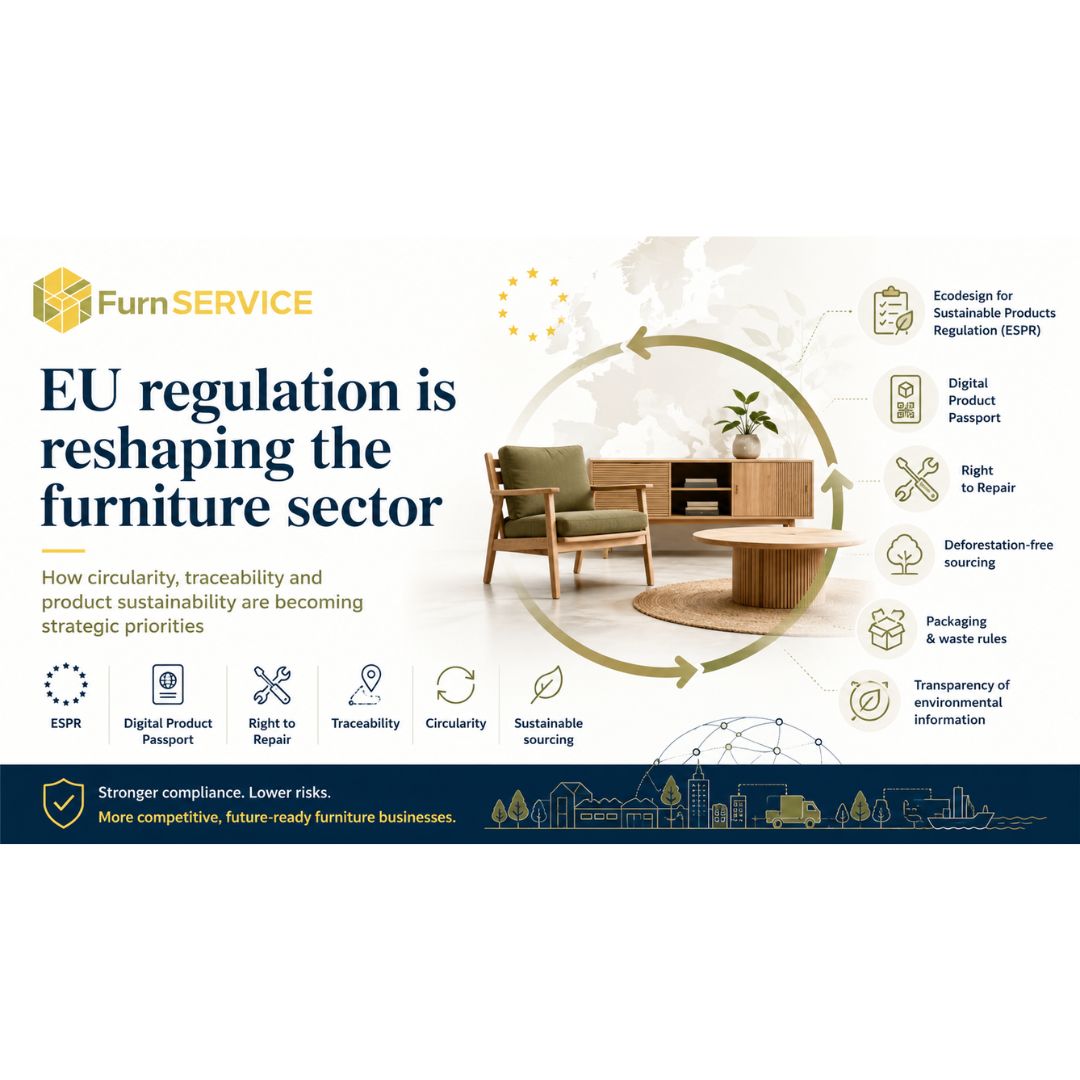
The FurnSERVICE Guide is taking shape, starting from a key question for the European furniture sector: how can companies prepare for a regulatory framework that is increasingly oriented towards circularity, traceability and product sustainability?
The first part of the Guide focuses on the evolving European policy landscape and explains why regulation should no longer be seen only as a compliance issue. For furniture companies, new EU rules are progressively becoming a strategic driver for innovation, competitiveness and business model transformation.
- Details
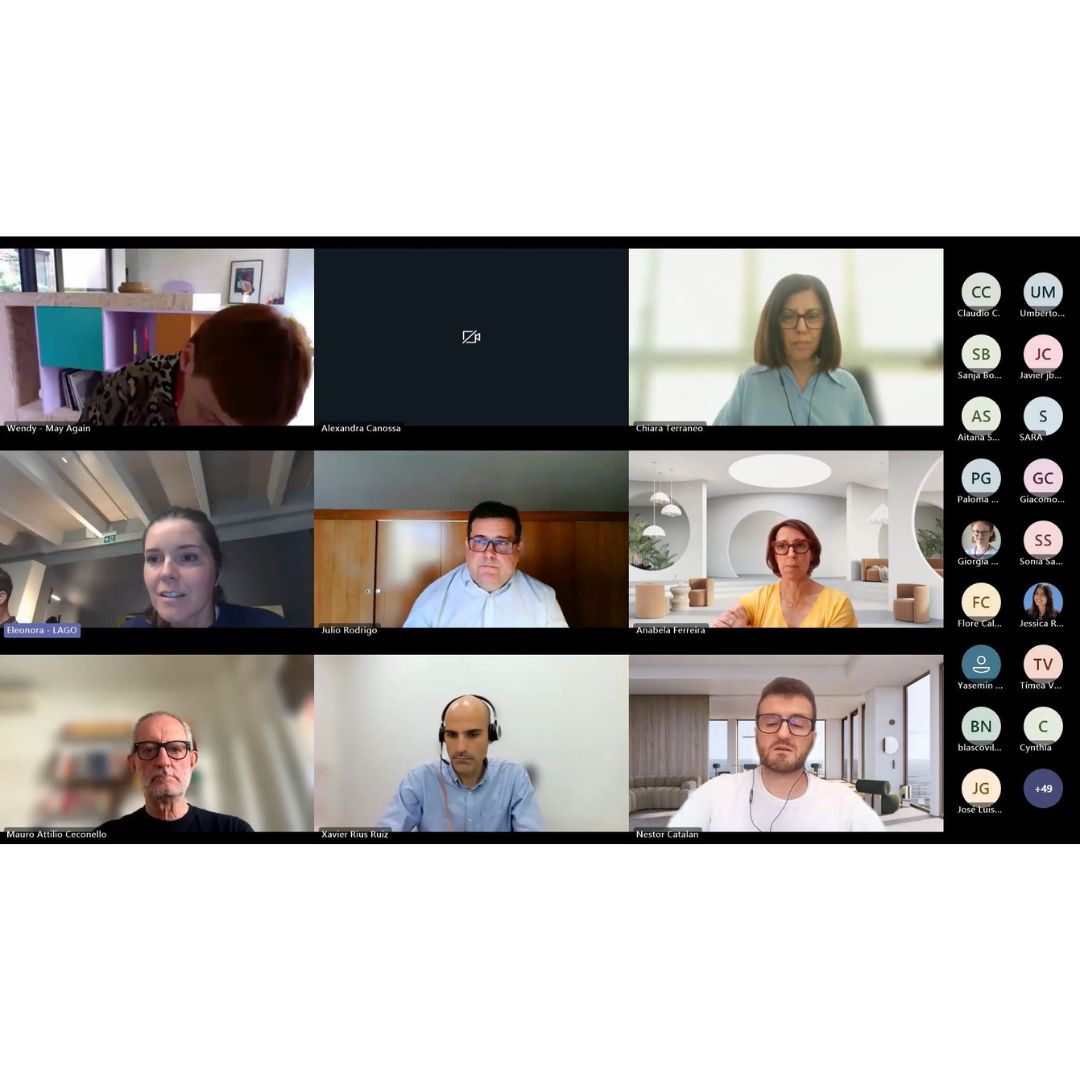
Held in conjunction with World Environment Day on the 5th of June 2026, the webinar “Furniture in Motion: Servitization and Circular Business Models for a Sustainable Future” took place online as initiative of the FurnSERVICE project in cooperation with ACCIÓ - the Government of Catalonia's business growth agency.
The event -with more than 80 attendees- explored the role of servitization and circular business models as strategic drivers to support the sustainable transition of the furniture sector.
More Articles …
Page 1 of 4
BE THE FIRST TO KNOW
Newsletter subscription


Co-funded by the European Union. Views and opinions expressed are however those of the author(s) only and do not necessarily reflect those of the European Union. Neither the European Union nor the granting authority can be held responsible for them.
Call and Grant Agreement Reference: SOCPL-2024-SOC-DIALOG (Project 101197666)